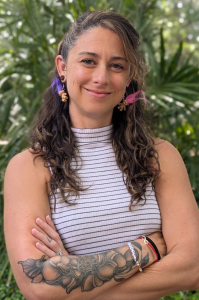
Sabrina Rodriguez de Conte
Author: Sabrina Rodriguez de Conte, JD, STAC Deputy Executive Director
When “Alex” came out as LGBTQ+, home no longer felt safe. Family conflict escalated, and at 17, Alex found themselves couch surfing between friends’ homes. With nowhere stable to stay and no reliable source of income, an older individual offered a place to live, meals, and support. What initially seemed like kindness quickly became manipulation, control, and exploitation.
While Alex is a composite story based on experiences commonly reported by survivors, it reflects a reality faced by many LGBTQ+ folx across the United States.
Human trafficking can affect anyone, but LGBTQ+ individuals often face unique vulnerabilities. Family rejection, housing instability, discrimination, bullying, isolation, and lack of access to supportive services can increase the risk of exploitation. Research consistently shows that LGBTQ+ youth are disproportionately represented among homeless youth populations—a significant risk factor for trafficking.
Recent studies also reveal concerning trends. Nearly half of LGBTQ+ youth report experiencing bullying, and many report being unable to access needed mental health services. At the same time, ongoing public debates surrounding LGBTQ+ rights, healthcare access, and anti-discrimination protections continue to affect the well-being of many LGBTQ+ people.
As we celebrate Pride Month, it is important to remember that acceptance is more than a social value—it can be a protective factor. A supportive family member, affirming school environment, safe housing option, or trusted adult can dramatically reduce a young person’s vulnerability to exploitation.
This Pride Month, STAC stands with LGBTQ+ individuals and survivors. Everyone deserves safety, dignity, and the freedom to be themselves.